Understanding Saffron’s Unique Properties
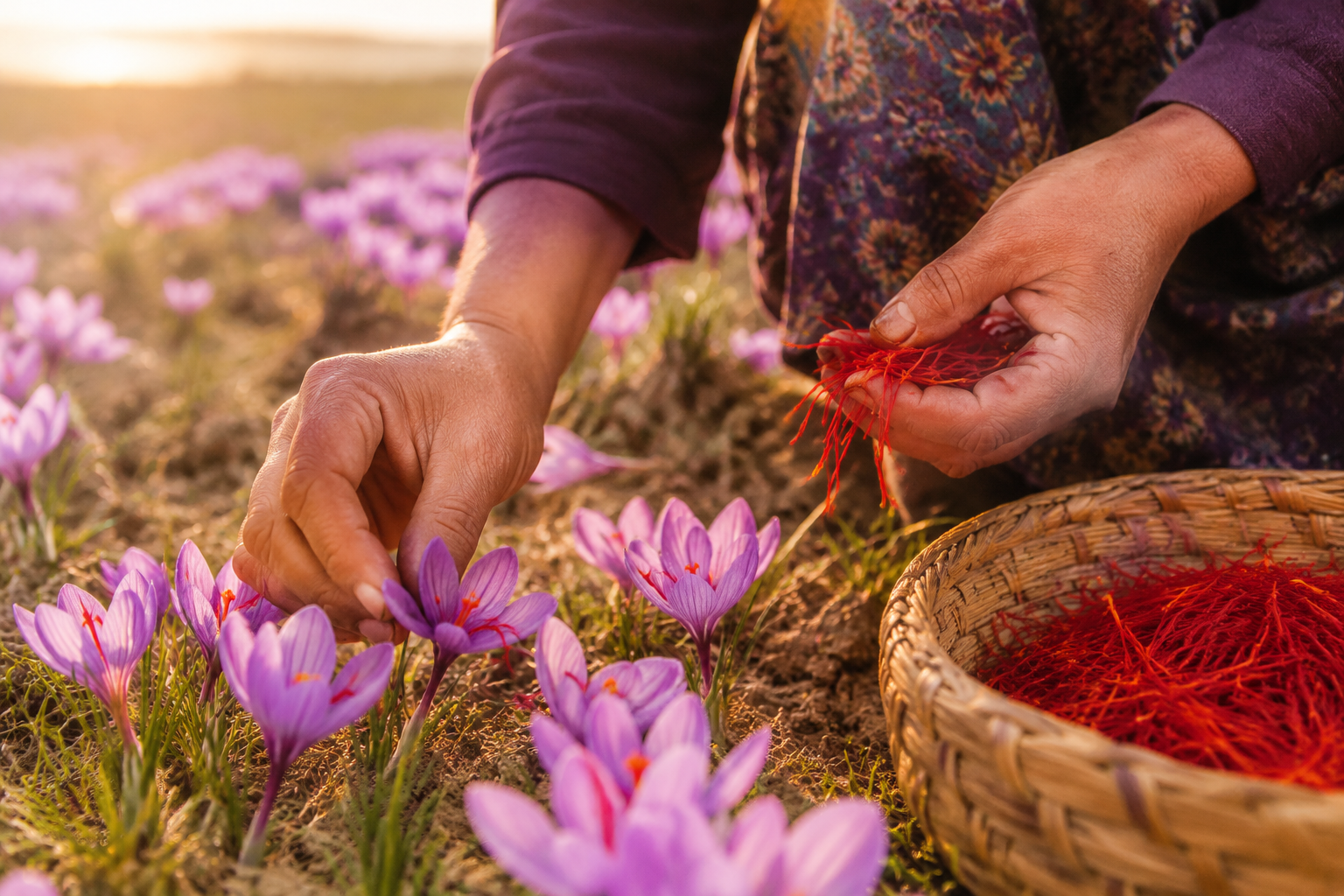
How to store saffron is crucial for preserving its vibrant color and distinct aroma. Saffron is derived from the stigmas of the Crocus sativus flower, and it is one of the most delicate spices available. Its unique properties make it susceptible to degradation if not stored properly. Importers and wholesalers must understand the factors that influence saffron’s quality to ensure that their customers receive the best product possible.
Saffron’s color and aroma are attributed to its chemical compounds, primarily crocin and safranal. These compounds can deteriorate when exposed to light, moisture, and heat. Thus, understanding how to store saffron effectively is essential for maintaining its quality over time. Proper storage not only extends the shelf life of saffron but also preserves its culinary value.
Optimal Storage Conditions for Saffron
When considering how to store saffron, it is important to choose a cool, dry place away from direct sunlight. The ideal temperature for saffron storage is between 15°C and 20°C (59°F to 68°F). This temperature range helps to prevent the degradation of saffron’s delicate compounds. Importers should educate their customers on the importance of avoiding warm areas, such as near stoves or ovens.
Humidity is another critical factor. Saffron should be kept in an environment with low humidity to prevent mold formation. Using airtight containers can help maintain the necessary moisture levels. Glass or dark-colored containers are preferred as they shield saffron from light exposure, which can lead to color fading and loss of aroma.
Long-Term Storage Solutions for Saffron
For those looking to store saffron long-term, vacuum sealing is an excellent option. Vacuum-sealed bags remove air, which can contribute to oxidation and spoilage. This method can significantly extend saffron’s shelf life while preserving its quality. Importers can offer vacuum-sealed saffron to their customers as a premium product, ensuring better longevity.
Another option is to store saffron in the freezer, but caution is advised. When freezing saffron, it is best to use an airtight container to prevent freezer burn and moisture absorption. It’s important to allow saffron to return to room temperature before opening the container to avoid condensation, which can negatively affect its quality.
Common Mistakes in Saffron Storage
Many importers and wholesalers make common mistakes when it comes to saffron storage. One of the most frequent errors is storing saffron in clear plastic bags or containers. These materials do not provide adequate protection from light, leading to rapid degradation of saffron’s color and aroma. Instead, opt for opaque glass jars or vacuum-sealed bags to ensure quality preservation.
Another mistake is exposing saffron to strong odors. Saffron can easily absorb smells from its surroundings, which can compromise its unique flavor profile. It’s advisable to store saffron away from strong spices, cleaning products, or other potent aromas that might taint it. Educating customers on this aspect can help maintain their saffron’s integrity.
How Long Does Saffron Last?
Understanding how to store saffron effectively also entails knowing its shelf life. When stored correctly in a cool, dark, and dry place, saffron can last for up to four years. However, it’s essential to note that saffron’s potency may diminish over time, so it’s best to use it within the first two years for optimal flavor and aroma.
Importers should provide their customers with clear expiration dates and storage guidelines to ensure that they enjoy saffron at its best. Regular checks on stored saffron can help identify any changes in color or aroma, indicating that it may be time to replace the stock.
Signs of Expired Saffron
Importers should encourage their customers to perform regular checks on their saffron and to keep an eye out for these signs. Providing educational materials on saffron quality can enhance customer satisfaction and trust in the product.
FAQ
How much is 1 lb of saffron worth?
Prices for saffron can vary significantly based on quality and market demand, but high-quality saffron can range from $500 to $5,000 per pound.
How long until saffron goes bad?
When stored properly, saffron can last up to four years, but for the best flavor and aroma, it should ideally be used within two years.
What should you not mix saffron with?
Saffron should be kept away from strong odors and flavors, including spices like cumin and strong cleaning products, to prevent it from absorbing unwanted scents.
What happens if I consume saffron daily?
Moderate consumption of saffron is generally safe. However, excessive amounts may lead to side effects such as nausea, vomiting, or allergic reactions.
For those interested in experiencing the exquisite quality of authentic Iranian saffron, request a free sample from Zarrin Saffron today.
Leave a Reply