Understanding Real vs Fake Saffron
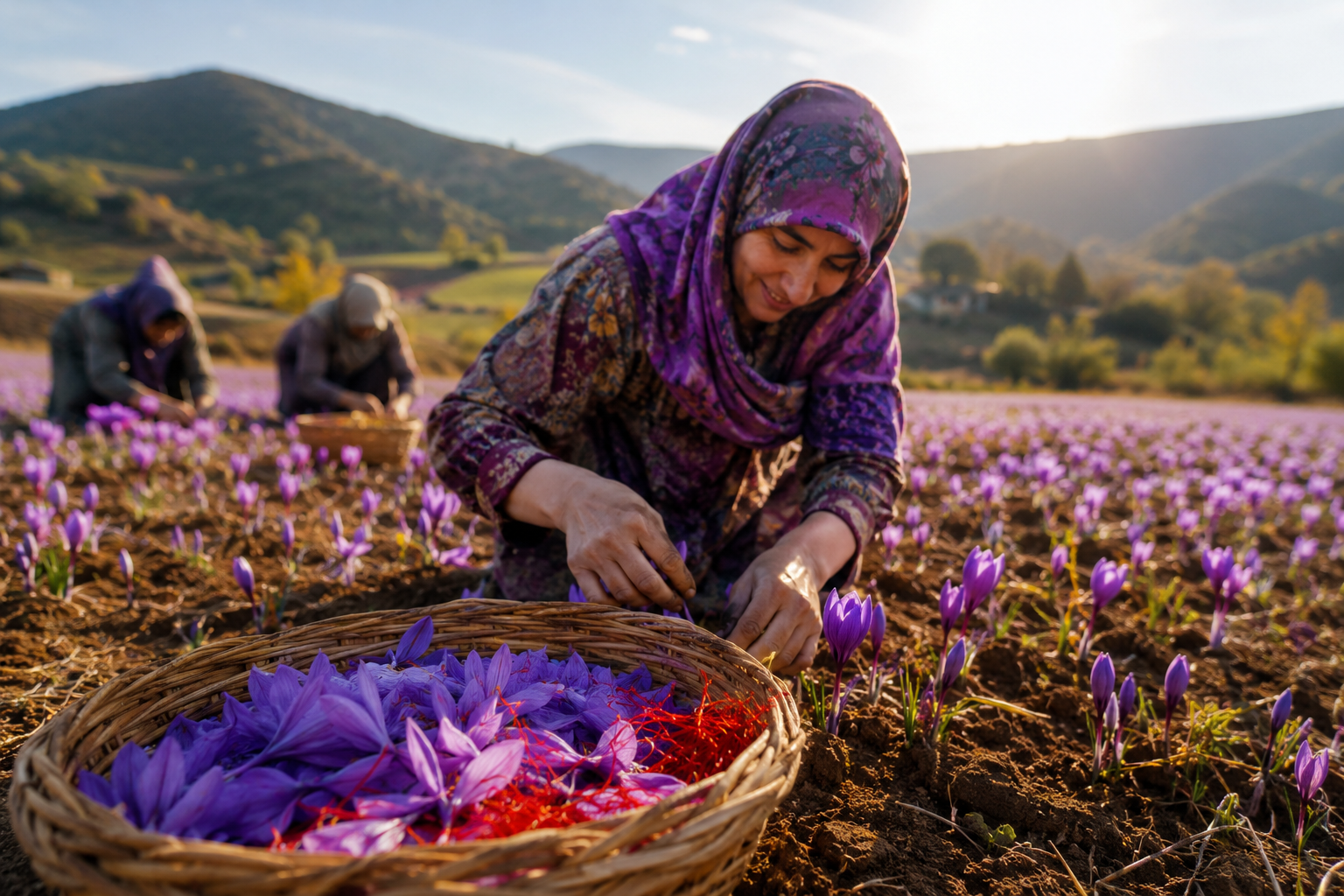
Real vs fake saffron is a critical topic for wholesale buyers in the spice industry. The quality of saffron can significantly impact both flavor and health benefits, making it essential for importers to distinguish between authentic saffron and imitations. Real saffron comes from the stigma of the Crocus sativus flower, a labor-intensive process that requires meticulous harvesting and handling. In contrast, fake saffron may consist of colored fibers or even entirely different plant materials, which can mislead buyers and dilute the quality of their products.
Identifying real saffron is not just about visual inspection; it also involves understanding its characteristics and the methods employed in its cultivation and harvesting. As buyers navigate the market, they must be equipped with knowledge to make informed decisions, ensuring they are sourcing genuine saffron that meets their quality standards.
Visual Characteristics of Real Saffron
When evaluating saffron, the visual characteristics are often the first indicators of authenticity. Real saffron threads are typically deep red, with a slightly curled appearance. The tips may display a yellowish hue, indicating the part of the flower from which they were harvested. In contrast, fake saffron can appear overly bright or uniform, lacking the natural variations found in genuine threads.
Another important visual cue is the length of the saffron strands. Authentic saffron threads are usually between 2 to 4 centimeters long, while counterfeit versions may be shorter or have a more fragmented look. As a wholesale buyer, examining these visual aspects can provide an initial assessment of the saffron’s authenticity.
Testing Purity of Saffron at Home
Understanding how to test the purity of saffron at home can be an invaluable skill for importers and wholesalers. One simple method involves placing a few strands of saffron in a glass of cold water. Real saffron will gradually release its color, turning the water a vibrant yellow. In contrast, fake saffron will often color the water immediately or not at all, indicating the presence of artificial coloring agents.
Another effective test involves checking the aroma. Real saffron has a distinct, sweet, and earthy scent, while fake saffron may lack depth or have a chemical odor. By utilizing these home tests, buyers can gain additional assurance about the saffron’s authenticity before committing to larger orders.
Is There Fake Saffron Being Sold?
The market for saffron is vast, and unfortunately, yes, there is fake saffron being sold. Many unscrupulous suppliers take advantage of the high demand for saffron by offering inferior products that may resemble the real thing but lack the quality and flavor profile. This prevalence of counterfeit saffron makes it essential for wholesale buyers to conduct due diligence when selecting suppliers.
To protect against purchasing fake saffron, importers should seek reputable suppliers with a proven track record. Researching the origins of the saffron and asking for certifications or quality guarantees can also help mitigate the risk of acquiring counterfeit products.
Real vs Fake Saffron in Water
This comparison is particularly useful for buyers looking to test saffron quality quickly. When real saffron is immersed in water, it will slowly unfurl and release its vibrant color, typically taking several minutes to achieve a rich golden hue. Fake saffron, on the other hand, may either sink without coloring the water or release color too rapidly, indicating that it has been artificially dyed.
Understanding these differences can help wholesale buyers make informed decisions when assessing the quality of saffron. Regularly performing this simple test can safeguard against potential losses due to inferior products.
Where to Buy Real Saffron
Finding a reliable source for real saffron is crucial for wholesalers. Importers should focus on established suppliers known for their authentic products. It’s advisable to seek out suppliers who provide detailed information about the saffron’s origin, harvesting methods, and any quality certifications.
For those looking to buy premium saffron, Zarrin Saffron offers a wide range of authentic Iranian saffron products. By purchasing from trusted exporters, buyers can ensure they receive genuine saffron that meets their culinary and commercial needs. Visit Zarrin Saffron for more information.
Real Saffron Benefits
The benefits of real saffron extend beyond its culinary uses. It is known for various health benefits, including antioxidant properties and potential mood enhancement. Real saffron is rich in nutrients such as vitamins and minerals, contributing to its reputation as a valuable spice in traditional medicine.
Moreover, incorporating real saffron into culinary creations can elevate dishes, adding a unique flavor and vibrant color. For wholesale buyers, understanding these benefits can enhance their marketing strategies and attract health-conscious consumers looking for high-quality saffron.
FAQ
Is Trader Joe’s saffron real?
Trader Joe’s saffron is sourced from reputable suppliers, but it is always advisable to check product labeling and reviews to ensure authenticity.
How to test purity of saffron at home?
One method involves placing saffron in cold water and observing the color release. Real saffron will color the water gradually, while fake saffron will not.
Does real saffron sink or float?
Real saffron typically sinks when placed in water, but it will eventually release color and flavor as it absorbs moisture.
Is there fake saffron being sold?
Yes, fake saffron is prevalent in the market. Buyers should exercise caution and verify the authenticity of saffron before purchasing.
In conclusion, understanding the distinctions between real vs fake saffron is crucial for wholesale buyers aiming to ensure quality and authenticity. If you’re interested in sourcing genuine Iranian saffron, request a free sample from Zarrin Saffron today. Experience the difference in quality and flavor that only authentic saffron can provide.
Leave a Reply