Blog

  • How to Verify Saffron Quality with ISO 3632 Standards

    iso 3632 saffron

    Understanding ISO 3632 Saffron Standards

    The ISO 3632 saffron standard is a crucial benchmark for assessing the quality of saffron. This international standard specifies the requirements for saffron, including its grading, characteristics, and testing methods. The primary focus of ISO 3632 is to ensure that saffron is pure, high-quality, and free from adulteration. It is essential for importers and wholesalers to be familiar with these standards to ensure they are sourcing genuine saffron.

    ISO 3632 is divided into two main parts: ISO 3632-1, which outlines the specifications for saffron, and ISO 3632-2, which details the methods for testing these specifications. Understanding both parts is vital for businesses in the saffron trade, enabling them to verify the quality of their products and maintain consumer trust.

    Quality Indicators in ISO 3632 Saffron

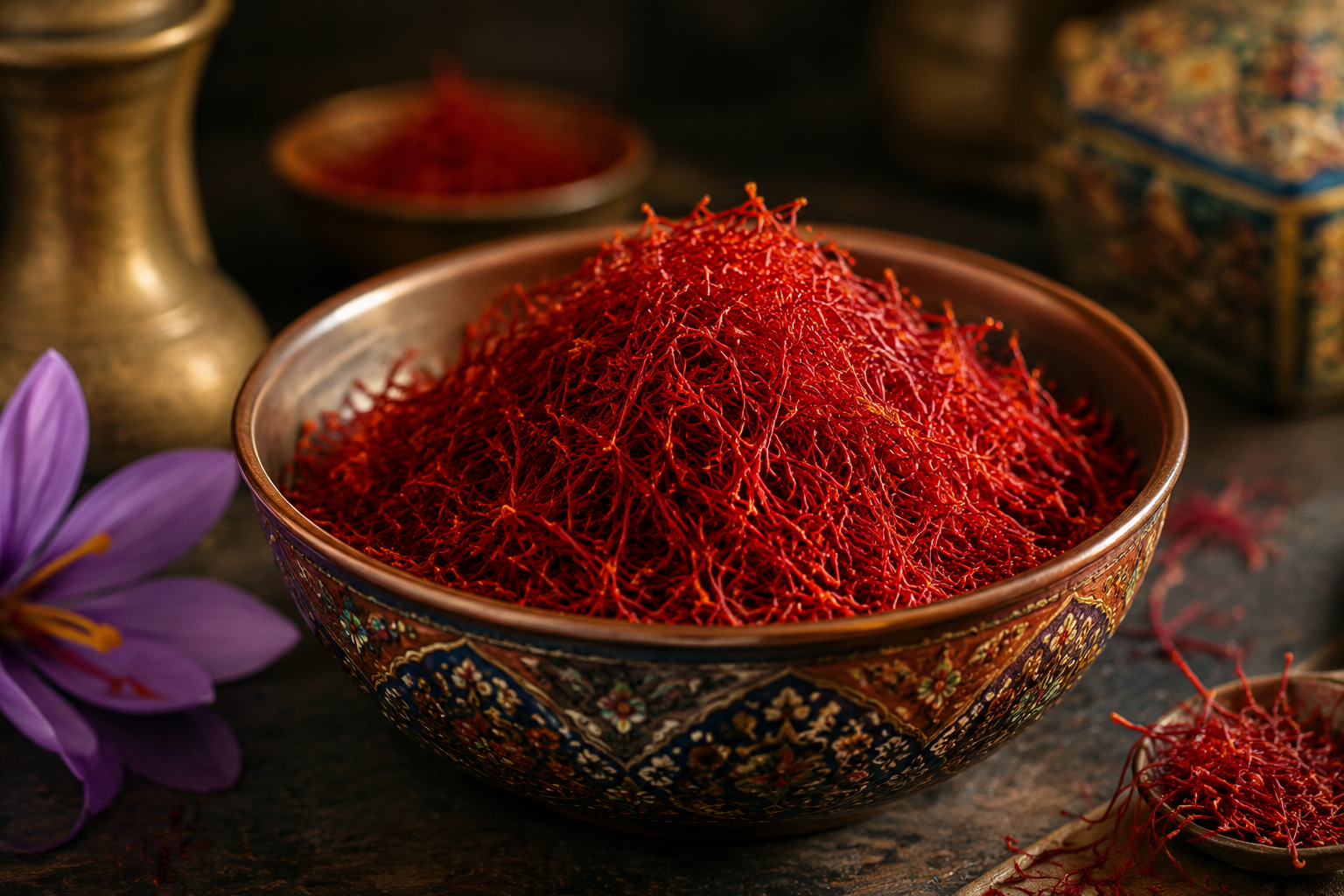
    ISO 3632 outlines several key indicators of saffron quality, including color, aroma, flavor, and the presence of certain chemical compounds. The color of saffron should be a deep red, which is indicative of its quality. The standard categorizes saffron into three quality grades: Grade I, Grade II, and Grade III, with Grade I being the highest quality.

    Aroma and flavor are also critical components of saffron quality. High-quality saffron should have a strong, pleasant aroma and a distinct flavor profile that enhances culinary dishes. These indicators help wholesalers and importers assess the product they are purchasing and ensure it meets consumer expectations.

    Verifying Saffron Quality through Testing

    To verify saffron quality according to ISO 3632, importers and wholesalers must conduct various tests. These tests include measuring the color strength, which can be assessed using spectrophotometric methods. Additionally, the presence of picrocrocin and safranal, two key chemical compounds, is tested to determine the flavor and aroma strength of the saffron.

    Laboratories that specialize in food quality testing typically perform these assessments. Importers should seek out suppliers who can provide ISO 3632 certification or testing results to ensure their saffron meets the required standards. This not only helps in maintaining quality but also aids in building trust with consumers.

    The Importance of ISO Certification for Importers

    For importers and wholesalers, sourcing ISO-certified saffron is crucial for several reasons. Firstly, it guarantees that the saffron meets international quality standards, which is essential for maintaining market competitiveness. Secondly, ISO certification can enhance the credibility of a business, as it demonstrates a commitment to quality assurance.

    Moreover, having ISO-certified saffron can open up opportunities in international markets, where consumers are increasingly seeking high-quality products. By ensuring that the saffron being sourced is compliant with ISO 3632, businesses can position themselves favorably in the market.

    Common Misconceptions about Saffron Quality

    There are several misconceptions surrounding saffron quality that can mislead importers and wholesalers. One common myth is that all saffron is the same, which is far from the truth. The quality of saffron can vary significantly depending on factors such as the region of cultivation, harvesting methods, and processing techniques.

    Another misconception is that high price always equates to high quality. While it is true that high-quality saffron tends to be more expensive, it is important to verify quality through ISO standards rather than relying solely on price. Understanding the ISO 3632 grading system can help importers make informed purchasing decisions.

    How to Choose the Right Supplier

    Choosing the right supplier is essential for importers looking to source high-quality saffron. When evaluating potential suppliers, it is crucial to inquire about their adherence to ISO 3632 standards. A reputable supplier should be able to provide documentation and certification that verifies their saffron’s quality.

    Additionally, visiting the supplier’s facilities or farms can provide valuable insights into their operations and quality control measures. This firsthand experience can help build a strong relationship and ensure that the saffron being sourced meets the desired quality standards.

    FAQ

    What is the ISO standard for saffron?

    The ISO standard for saffron is ISO 3632, which specifies the requirements and testing methods for saffron quality.

    What is the highest grade of saffron?

    The highest grade of saffron according to ISO 3632 is Grade I, which indicates superior quality.

    Which is the no. 1 quality saffron in the world?

    Iranian saffron, particularly from regions like Khorasan, is often regarded as the highest quality saffron in the world.

    How much is 1 lb of saffron worth?

    The price of saffron can vary significantly based on quality and origin, but high-quality saffron can range from $500 to $3,000 per pound.

    For importers and wholesalers looking to ensure the highest quality saffron, it is essential to understand and utilize ISO 3632 standards. If you are interested in experiencing authentic Iranian saffron, request a free sample from Zarrin Saffron today.

  • Super Negin vs Pushal: Which Saffron Grade to Buy for Your Business?

    super negin vs pushal

    Understanding Saffron Grades

    Saffron is often referred to as the world’s most expensive spice due to its labor-intensive harvesting process and the delicate nature of its flowers. Among the various grades of saffron available, the terms 'Super Negin' and 'Pushal' are commonly discussed in the international market. Importers and wholesalers often face the dilemma of choosing between these two premium grades. This article aims to clarify the distinctions between Super Negin vs Pushal, helping you make an informed decision for your business.

    Before delving into the specifics of Super Negin and Pushal, it is essential to understand how saffron is graded. The grading of saffron is primarily based on the appearance of the stigmas, their color, and the overall quality, which directly correlates to taste and aroma. Each grade has unique characteristics that cater to different culinary and commercial needs.

    What is Super Negin Saffron?

    Super Negin saffron is regarded as one of the highest grades available in the saffron market. It is characterized by its long, thick, and deep red stigmas, which are the female reproductive parts of the saffron crocus flower. This grade contains a high concentration of crocin, the compound responsible for saffron’s vibrant color, and picrocrocin, which provides its distinct flavor.

    Due to its superior quality, Super Negin is often sought after by gourmet chefs and high-end restaurants. It is known for its exceptional flavor profile, making it ideal for a variety of dishes, from risottos to desserts. The demand for Super Negin has increased significantly, leading to higher prices in international markets. Therefore, importers and wholesalers must consider the potential return on investment when sourcing this grade.

    What is Pushal Saffron?

    Pushal saffron, on the other hand, is a mid-range grade that is also popular among wholesalers. It is characterized by shorter stigmas, which may include some yellow parts, indicating a slightly lower quality compared to Super Negin. However, Pushal still offers a good flavor and aroma, making it a suitable choice for various culinary applications.

    Taste Comparison: Super Negin vs Pushal

    The flavor profile of saffron can significantly influence its application in culinary practices. Super Negin saffron is known for its rich, complex flavor and intense aroma, which can elevate dishes to new heights. Its high concentration of flavor compounds allows it to impart a vibrant color and taste even in small quantities.

    In contrast, Pushal saffron has a milder flavor and aroma. While it can still enhance dishes, it may not deliver the same depth of flavor as Super Negin. Therefore, for high-end culinary applications where flavor is paramount, Super Negin is often favored. However, for everyday cooking or products such as spice blends, Pushal can provide a cost-effective alternative.

    Cost Considerations for Importers and Wholesalers

    The pricing of Super Negin and Pushal saffron varies significantly due to the differences in quality and market demand. Super Negin is typically more expensive, reflecting its superior quality and the meticulous harvesting process it undergoes. Importers should consider their target market and the price point they wish to maintain when deciding which grade to stock.

    Pushal, being more budget-friendly, allows wholesalers to penetrate markets that may be sensitive to price. This makes it an appealing option for those looking to offer saffron without the premium price tag associated with Super Negin. Ultimately, the choice between the two will depend on the specific needs and preferences of your customer base.

    Market Trends: Super Negin vs Pushal

    As the global market for saffron continues to grow, understanding the trends associated with Super Negin and Pushal can greatly benefit importers and wholesalers. Currently, there is a noticeable shift towards premium products, with consumers increasingly willing to pay more for higher quality. This trend suggests that investing in Super Negin could yield substantial returns.

    However, the demand for Pushal should not be overlooked. Many consumers are still seeking affordable options without compromising quality. By diversifying offerings to include both Super Negin and Pushal, businesses can cater to a wider audience and enhance their market presence.

    Conclusion: Making the Right Choice

    In the debate of Super Negin vs Pushal, the right choice ultimately depends on your business model, target customers, and market demands. If you operate in a high-end culinary space, Super Negin may be the best option to satisfy your clientele. However, if your market is more price-sensitive, Pushal could be a valuable addition to your product line.

    Regardless of your choice, it’s vital to source saffron from reputable suppliers to ensure quality and authenticity. Zarrin Saffron offers a range of products, including both Super Negin and Pushal, ensuring that you can meet the diverse needs of your customers. Request a free sample today to experience the quality of our saffron firsthand.

    FAQ

    What is the main difference between Super Negin and Pushal saffron?

    The primary difference lies in their quality and appearance. Super Negin features longer, thicker stigmas and a deeper red color, while Pushal has shorter stigmas that may include yellow parts.

    Which saffron grade is more expensive?

    Super Negin is typically more expensive due to its superior quality and higher demand in the market.

    Can Pushal saffron still be used in high-end dishes?

    Yes, while it may not have the same intensity of flavor as Super Negin, Pushal can still enhance many dishes, particularly in everyday cooking.

    Is Super Negin saffron worth the investment?

    For businesses targeting high-end markets, the investment in Super Negin can lead to significant returns, given its quality and demand.

  • Best Saffron for Resale and Private Label: A Comprehensive Guide

    best saffron for resale

    Understanding Saffron Quality

    The best saffron for resale is characterized by its rich color, aroma, and flavor. To ensure you are sourcing high-quality saffron, it is crucial to understand the grading system used in the saffron industry. Premium saffron strands are deep red, with minimal yellow or white parts. These characteristics indicate that the saffron is pure and has been harvested correctly. In addition to color, the aroma of saffron is a significant indicator of its quality. High-quality saffron emits a strong, sweet scent, while lower grades may lack this intensity.

    Quality saffron is typically classified into various grades, with the highest grades being labeled as ‘Grade 1’ or ‘AAA’. These grades are determined based on several factors, including the size of the saffron threads, the amount of moisture content, and the absence of impurities. When you are looking to purchase saffron for resale, it is essential to request samples from suppliers to verify the quality before making a bulk purchase.

    Top Saffron Varieties for Resale

    Another notable variety is Spanish saffron, which has its own distinct characteristics. While it may not match the quality of Persian saffron, it is still a popular choice in Europe and has a loyal customer base. When selecting saffron for resale, it is advisable to consider the preferences of your target market and the specific characteristics that appeal to them.

    Pricing and Market Trends

    The pricing of saffron can vary significantly based on quality and source. As of now, the market price for high-quality saffron can reach up to $10,000 per kilogram, making it one of the most expensive spices in the world. However, prices can fluctuate based on factors such as harvest yield, demand, and market competition. Understanding these trends is crucial for importers and wholesalers looking to maximize their profit margins.

    In recent years, the demand for saffron has seen a steady increase due to its various applications in culinary, medicinal, and cosmetic industries. Importers should stay informed about these trends and adjust their purchasing strategies accordingly to ensure they are offering the best saffron for resale at competitive prices.

    Licensing and Regulations for Selling Saffron

    If you are considering entering the saffron market, it is essential to understand the licensing and regulatory requirements that may apply. Depending on your country or region, you may need specific permits or licenses to import and sell saffron. In the United States, for example, there are no specific licenses required to sell saffron; however, compliance with food safety regulations is mandatory.

    It is also important to note that sourcing saffron from reputable suppliers can help ensure compliance with international quality standards. Organizations such as the International Organization for Standardization (ISO) provide guidelines that can assist in maintaining quality assurance when selling saffron. For more information on these standards, you can visit ISO.

    Building a Private Label Saffron Brand

    Establishing a private label saffron brand can be a lucrative venture for importers and wholesalers. Creating a unique brand identity and packaging that resonates with your target audience is essential. Consider using elegant packaging that highlights the premium quality of your saffron, as this can significantly impact consumer perception and sales.

    Moreover, marketing your private label saffron effectively is crucial. Utilize social media, online platforms, and culinary influencers to promote your brand. Showcase recipes and benefits of saffron to educate potential customers about its uses, thereby increasing demand for your product.

    Finding Reliable Suppliers

    When sourcing the best saffron for resale, finding reliable suppliers is paramount. Look for suppliers who can provide certifications and evidence of their saffron’s quality. It is advisable to build relationships with suppliers who have a proven track record in the industry. This not only ensures the authenticity of the saffron but also allows for better pricing and consistent supply.

    Attending trade shows and networking events can also be beneficial for discovering potential suppliers. Engaging directly with producers can provide insights into the cultivation process and quality control measures, allowing you to make informed decisions when sourcing saffron for your business.

    FAQ

    Which is the highest quality saffron?

    The highest quality saffron is generally considered to be Persian saffron, specifically from Iran, known for its rich color and aroma.

    What is 1 lb of saffron worth?

    The price of 1 lb of high-quality saffron can reach up to $10,000, depending on the purity and source.

    Do you need a license to sell saffron?

    In most regions, you do not need a specific license to sell saffron, but compliance with food safety regulations is necessary.

    Who are the biggest buyers of saffron?

    The biggest buyers of saffron include culinary industries, pharmaceutical companies, and cosmetic brands, all of which utilize saffron for its flavor and medicinal properties.

    If you are an importer or wholesaler looking for authentic Iranian saffron, consider requesting a free sample from Zarrin Saffron to ensure you are sourcing the best saffron for resale.

  • 7 Essential Tips to Buy Saffron in Bulk: A Comprehensive Buyer Guide

    buy saffron in bulk

    Understanding Saffron: The World’s Most Expensive Spice

    When you decide to buy saffron in bulk, it’s essential to understand what makes this spice so unique and valuable. Saffron is derived from the flower of Crocus sativus, commonly known as the saffron crocus. Each flower produces only three red stigmas, which are hand-harvested, making saffron one of the most labor-intensive crops to cultivate. This exclusivity contributes to its high market price.

    The quality of saffron can vary significantly based on its origin, cultivation methods, and processing techniques. Iranian saffron, for instance, is renowned for its rich flavor and vibrant color, making it a popular choice among chefs and food manufacturers worldwide. Understanding these nuances will help you make more informed purchasing decisions when you buy saffron in bulk.

    Where to Buy Saffron in Bulk

    Choosing the right supplier is crucial when you want to buy saffron in bulk. Look for reputable exporters and wholesalers known for their quality products and transparent sourcing practices. Zarrin Saffron, for example, offers a wide range of authentic Iranian saffron, ensuring quality and consistency in every batch.

    Additionally, consider attending trade shows and industry events to meet suppliers directly. This not only allows you to sample products but also helps you build relationships that can lead to better pricing and terms in the long run. Establishing trust with your supplier is key to ensuring you receive high-quality saffron consistently.

    Factors Influencing Saffron Prices

    The price of saffron can fluctuate based on various factors, including supply and demand, harvest yields, and international market trends. Currently, the price for 1 pound of saffron can range significantly, often falling between $1,000 to $3,000 depending on quality and origin. Understanding these dynamics can help you time your purchases better and negotiate effectively.

    Another aspect to consider is the quality grading of saffron. Higher grades, such as Sargol or Negin, are typically more expensive due to their superior flavor and color. When you buy saffron in bulk, ensure you are aware of the grading system and select the quality that best fits your needs.

    How to Verify Saffron Quality

    Before making a bulk purchase, it’s essential to verify the quality of saffron. Authentic saffron should have a deep red color with a slight orange hue at the tips of the threads. A simple test is to place a few strands in cold water; authentic saffron will not only color the water but will also maintain its shape.

    In addition to visual inspections, you can also request samples before committing to a large order. This allows you to assess the aroma and flavor profile, which are critical for culinary applications. Zarrin Saffron offers free samples, helping you make a confident decision before buying in bulk.

    Understanding Packaging and Storage

    When buying saffron in bulk, packaging and storage play an essential role in maintaining quality. Saffron should be stored in airtight containers away from light and moisture to preserve its flavor and potency. Check with your supplier about their packaging methods to ensure your saffron will remain fresh throughout its shelf life.

    For wholesalers, consider how you will distribute the saffron. Proper labeling and packaging are crucial for marketing, especially if you’re selling to upscale restaurants or gourmet shops. Investing in quality packaging can enhance your brand’s image and attract more customers.

    Legal Considerations When Importing Saffron

    Importing saffron can come with legal considerations that vary by country. It is vital to familiarize yourself with the regulations regarding food imports in your region. Ensure your supplier complies with international standards and certifications, which can include hygiene and quality assurance.

    For international trade, you may want to familiarize yourself with organizations like the International Organization for Standardization (ISO), which provides guidelines and standards that can help maintain quality and safety in your saffron sourcing. You can learn more about these standards at ISO’s official site.

    Frequently Asked Questions (FAQ)

    How much is 1lb of saffron worth? The price for 1 lb of saffron can vary significantly, typically ranging from $1,000 to $3,000 depending on quality and origin.

    Why is saffron so cheap now? Fluctuations in supply and demand, as well as market competition, can lead to temporary reductions in saffron prices.

    Does Costco sell saffron? While Costco may carry saffron occasionally, it’s advisable to check their inventory or visit larger wholesale suppliers for bulk purchases.

    How much do 100 grams of saffron cost? The cost for 100 grams of saffron can vary but generally falls between $300 to $600 depending on quality and supplier.

    In conclusion, buying saffron in bulk requires careful consideration of quality, sourcing, and pricing. By following these tips, you can secure premium saffron that meets your business needs. For those looking to experience genuine Iranian saffron, request a free sample from Zarrin Saffron today!

Zarrin Saffron ← Main site